
5-mistakes-freelance-ai-engineers-agentic-systems-2026
5 Real Mistakes Freelance AI Engineers Make When Building Agentic Systems (And How to Avoid Them)
In 2026, Agentic AI systems have moved from hype to mainstream demand. These autonomous agents can reason, plan, use tools, interact with APIs, manage workflows, and complete complex multi-step tasks with minimal human intervention. For freelance AI engineers, mastering agentic systems opens doors to high-paying contracts in automation, customer support, research, sales workflows, and enterprise orchestration.
Companies are actively seeking freelance talent who can deliver reliable agentic solutions. However, many freelancers struggle to move from impressive demos to production-grade systems. At Featmate a marketplace connecting businesses with Top 3% AI & DevOps experts we’ve observed hundreds of agentic projects. The pattern is clear: certain mistakes repeatedly cause delays, budget overruns, failed deliveries, and damaged reputations.
This practical guide breaks down the 5 most common and expensive mistakes freelance AI engineers make when building agentic systems, with real-world examples, prevention strategies, and actionable freelancer tips. Whether you're just starting with LangGraph, CrewAI, or AutoGen, or scaling multi-agent architectures, these insights will help you deliver better results and build a stronger freelance business.
1. Over-Engineering the Agent with Too Many Tools Too Early
The Mistake
Many freelance AI engineers try to impress clients by integrating 8–12 tools (web browsers, multiple APIs, vector databases, external services, code interpreters, etc.) right from the first sprint. The belief is that “more capabilities = more intelligent agent.”
Why It Fails
The agent becomes confused, makes poor tool-calling decisions, enters infinite loops, exceeds token limits, or hits rate limits frequently. Debugging complex tool interactions in a non-deterministic LLM environment turns into a time sink. According to industry analyses, scope creep and overly complex tool integration are among the top reasons agent projects fail to reach production.
Real-World Impact for Freelancers
Clients receive unstable prototypes, timelines slip, scope creeps further, and you end up investing unpaid hours. This often leads to project cancellation or reduced payment.
How to Avoid It
- Begin with a maximum of 2–3 essential tools for the MVP.
- Use structured patterns like ReAct (Reason + Act), Plan-and-Execute, or LangGraph workflows.
- Define clear tool hierarchies and explicit instructions in the system prompt.
- Iterate based on real usage data before adding more tools.
Freelancer-Specific Tips
Deliver a rock-solid, limited-scope agent first and present it as a “Phase 1 Foundation.” This builds client trust and creates natural upsell opportunities for Phase 2 expansions. Document tool selection rationale in your project handoff clients value this transparency.
2. Ignoring Cost Control and Token Management
The Mistake
Focusing primarily on accuracy and capabilities while treating inference costs as an afterthought.
Why It Fails
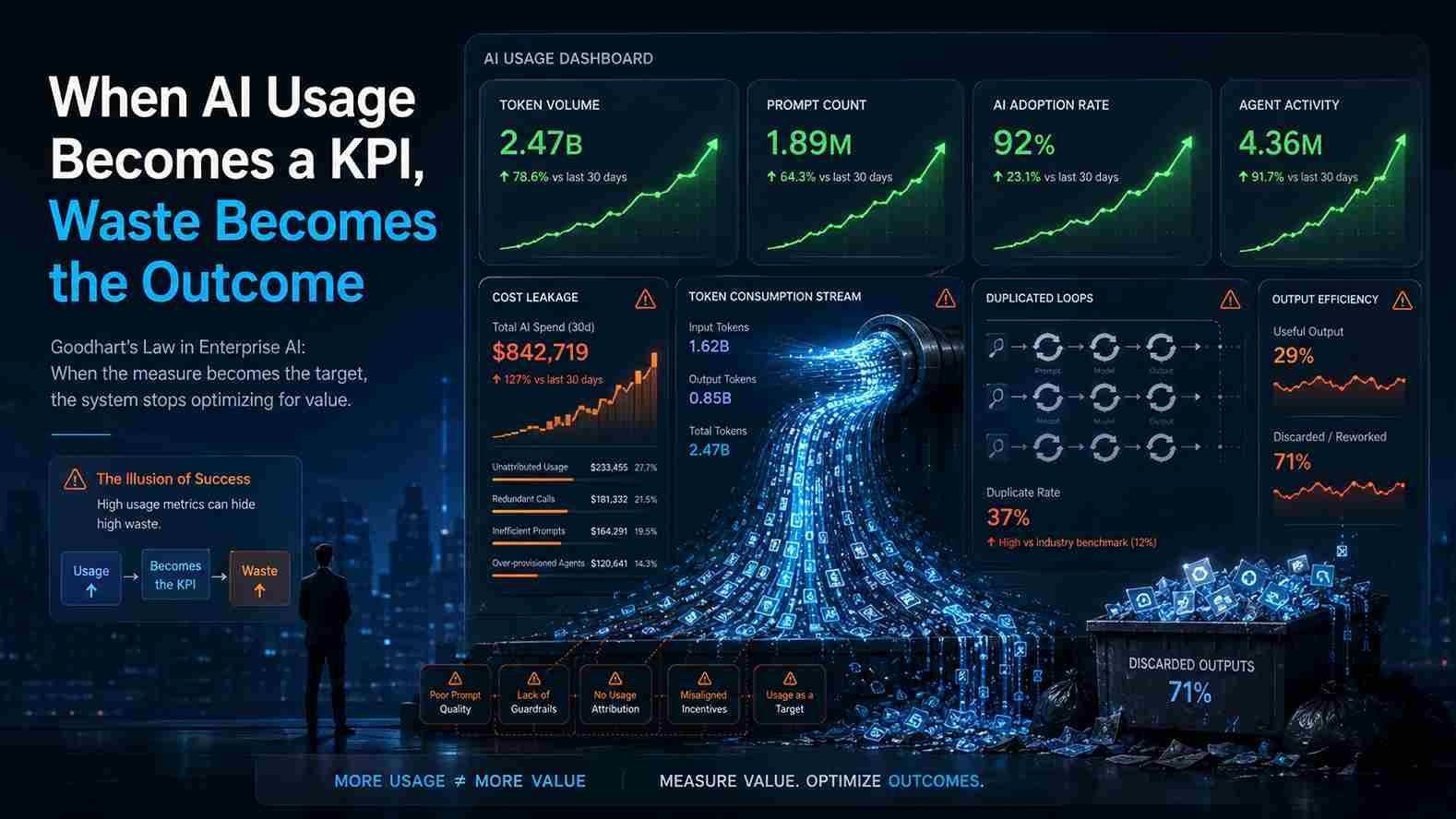
Long-running agents with excessive tool calls, poor prompting, or high-context windows can generate massive LLM bills. Enterprises have reported burning through monthly budgets in weeks. Unoptimized agents also suffer from latency issues that frustrate end users.
Real-World Impact
Clients get surprised by high operational costs and often blame the freelancer. Many projects are abandoned mid-development.
How to Avoid It
- Implement cost guards: max tokens per session, iteration limits, and budget alerts.
- Use model routing cheaper models (e.g., smaller or faster variants) for simple reasoning steps and premium models only for critical decisions.
- Add intelligent caching for tool results and repeated queries.
- Build human-in-the-loop checkpoints for expensive actions.
- Monitor usage with tools like LangSmith, Helicone, or custom dashboards.
Freelancer Advantage
Include a Cost Optimization Report as a standard deliverable. This positions you as a business-savvy engineer, not just a coder, and differentiates you in proposals.
3. Poor Memory and State Management
The Mistake
Relying solely on conversation history or naive in-memory buffers without proper long-term memory architecture.
Why It Fails
Agents forget context across sessions, repeat tasks, or lose critical information in extended workflows. This breaks the core promise of agentic autonomy.
Best Practices to Avoid It
- Combine short-term memory (conversation buffers or summaries) with long-term memory (vector stores with semantic search + episodic memory).
- Use hierarchical memory systems and periodic reflection/summarization.
- Leverage frameworks with built-in persistence like LangGraph checkpoints, or external stores (Redis, PostgreSQL).
- Implement selective memory promotion — only store validated, high-value insights.
Freelancer Tip
Demo memory capabilities explicitly (e.g., “See how the agent recalls last week’s decisions”). Provide clients with memory inspection tools so they understand and trust the system’s persistence layer.
4. Weak Error Handling and Recovery Mechanisms
The Mistake
Assuming the agent will run smoothly and only adding basic try/except blocks or simple retries.
Why It Fails
Real-world environments are messy: APIs fail, rate limits trigger, tools return unexpected data, and models hallucinate. Without robust recovery, agents crash or produce incorrect results.
How to Avoid It
- Design self-healing agents with exponential backoff, fallback strategies, and alternative tool paths.
- Implement supervisor or orchestrator agents that monitor and recover sub-agents.
- Log every decision, tool call, and reasoning trace transparently.
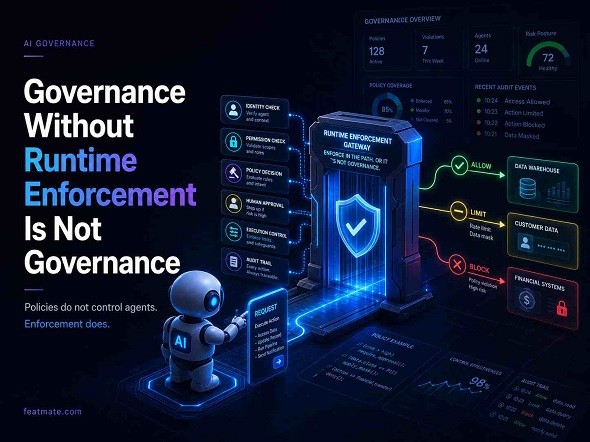
- Integrate guardrails (e.g., Nemo Guardrails, LlamaGuard) for safety and compliance.
Production Reality
Clients pay premium rates for reliability. Strong error handling and observability can be your strongest selling point as a freelancer.
5. Not Designing for Human Collaboration (The “Fully Autonomous” Trap)
The Mistake
Aiming for 100% autonomous agents instead of practical human-AI collaboration systems.
Why It Fails
Most enterprise scenarios require oversight, domain expertise, approvals, or ethical checks. Pure autonomy often fails to deliver measurable business value and raises compliance risks.
How to Avoid It
- Design agents as augmented teammates with clear handoff mechanisms.
- Build explanation features (“why this decision was made”) and escalation paths.
- Include audit logs and transparency layers for stakeholders.
- Plan for multi-agent systems where specialized agents collaborate with humans.
Freelancer Strategy
Emphasize this collaborative approach in proposals. Companies trust engineers who understand real business constraints and regulatory needs.
Bonus: Integrating DevOps & MLOps Practices as a Freelance AI Engineer
Top-performing freelance AI engineers treat agentic systems like production software:
- Version control prompts, tools, and memory configs.
- Implement CI/CD for agent deployments.
- Add monitoring, observability, and alerting (e.g., AgentOps, LangSmith).
- Track key metrics: success rate, cost per task, latency, and human intervention frequency.
- Provide comprehensive documentation and knowledge transfer sessions.
These practices reduce maintenance requests and lead to retainer contracts.
Conclusion
Building successful agentic AI systems in 2026 requires more than strong coding skills it demands a practical, production-first mindset. By avoiding these five mistakes over-engineering tools, ignoring costs, poor memory management, weak error handling, and unrealistic autonomy freelance AI engineers can deliver reliable, cost-effective solutions that clients actually want to scale.
The freelancers who succeed are those who combine deep AI knowledge with DevOps discipline, business awareness, and a focus on measurable outcomes. This approach not only improves project success rates but also builds long-term client relationships and higher lifetime value.
If you’re a freelance AI engineer looking to level up your agentic projects or a company seeking proven experts who already follow these best practices, Featmate connects you with Top 3% talent in AI, MLOps, and DevOps with milestone payments, quality guarantees, and lower overall costs.
Ready to build better agentic systems? Start by auditing your current projects against these mistakes.
What’s the biggest challenge you’ve faced when building Agentic AI?
Tags
Categories (22)
- All (27)
- Network Administration (4)
- Virtualization (2)
- DevOps (6)
- Backup (0)
- Web Hosting Control Panel (0)
- Cloud Management (0)
- Server Management (1)
- Database (1)
- Cybersecurity (1)
- Programming & Tech (0)
- Artificial Intelligence (AI) (9)
- Engineering Productivity (1)
- Platform Engineering (2)
- AI Strategy & Consulting (0)
- LLM Integration & Application Development (0)
- AI Agents & Workflow Automation (0)
- Machine Learning Engineering (0)
- Model Training & Fine-Tuning (0)
- MLOps & AI Infrastructure (0)
- Data Engineering for AI (0)
- AI Security, Safety & Compliance (0)
- AI Delivery & Fractional Leadership (0)


Join as a freelancer or client
Join as a Freelancer
Join as a Client